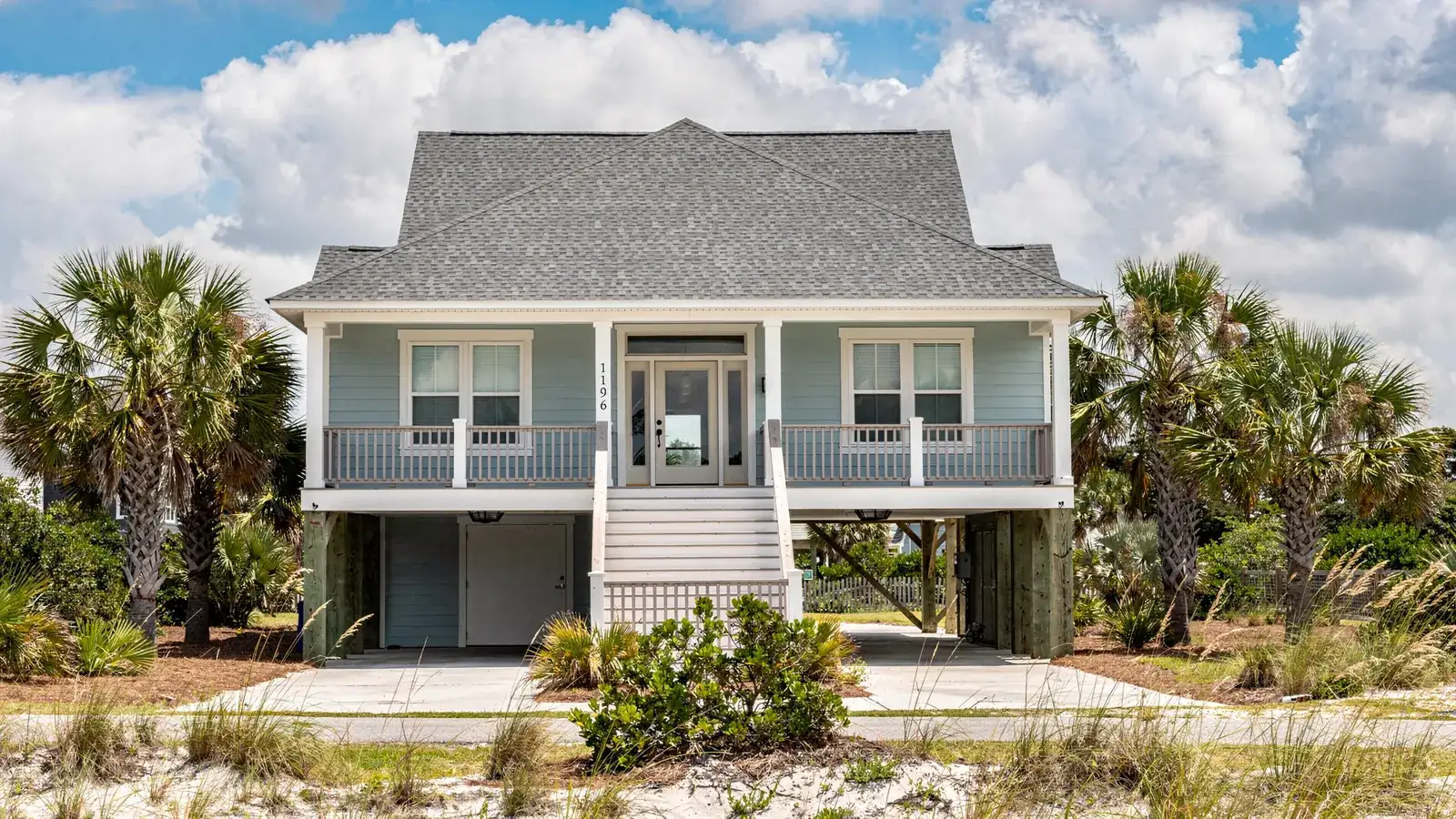
Roofing on the Grand Strand
A roof two streets from the ocean and a roof in Conway face different weather in the same county. Here is what fails first, what it costs, and how to check who you are hiring.
- South Carolina licenses this trade, so you can check who you hire
- What salt air does to the parts of a roof nobody looks at
- Second homes and rentals treated as their own job
What the coast does to a roof
Salt and onshore wind go to work on the parts of a roof that nobody quotes on and nobody looks at.
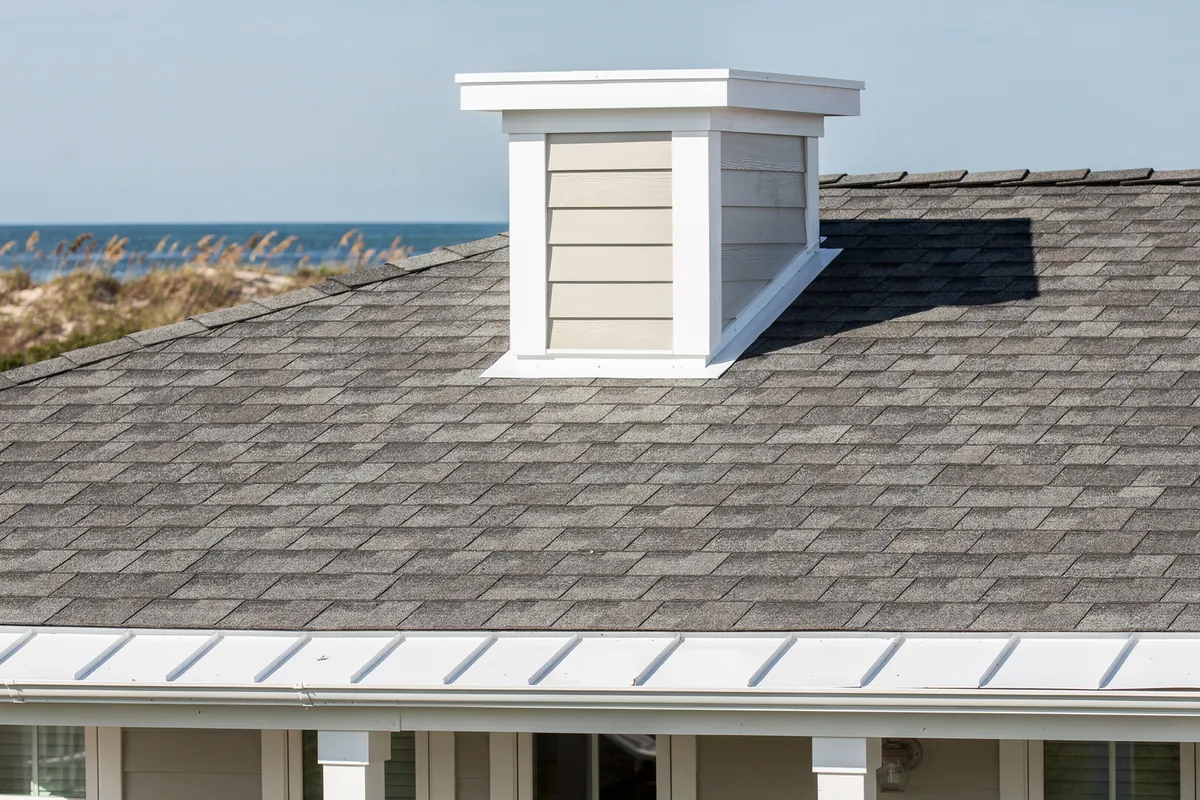
Two things make roofing here different from almost anywhere inland.
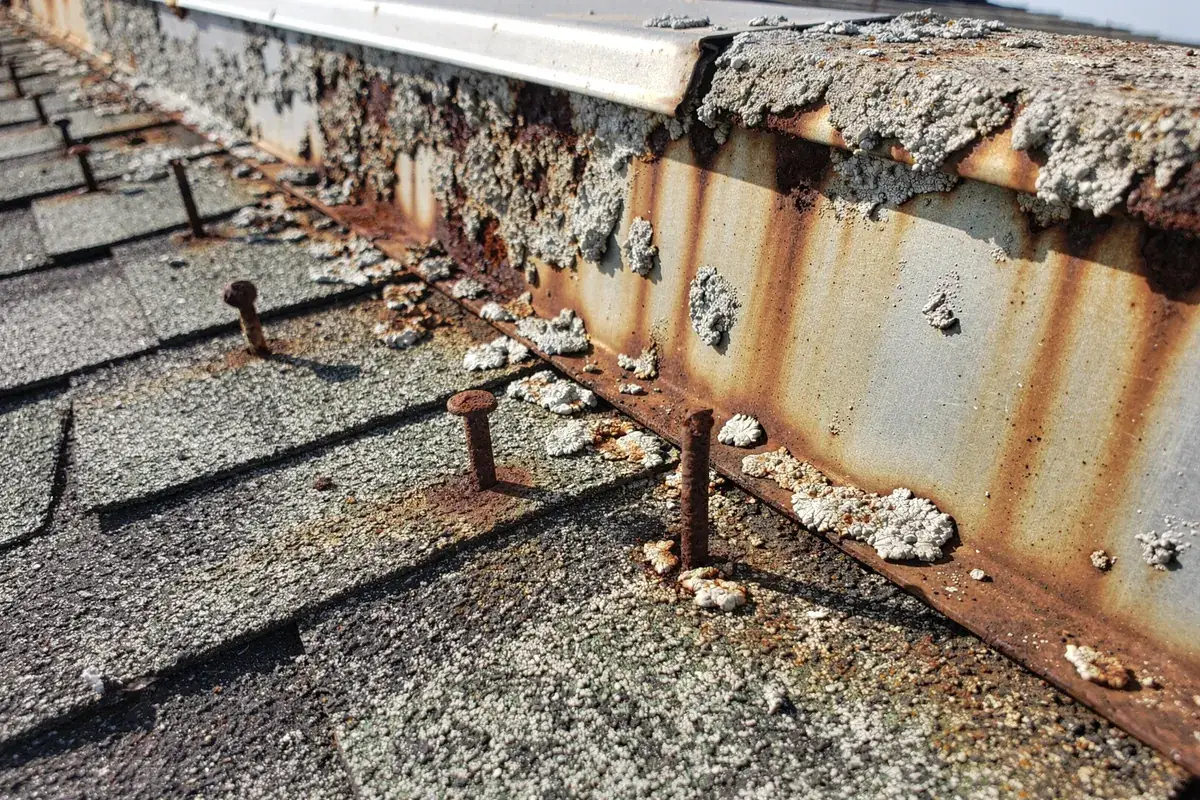
The first is salt. Air off the Atlantic carries it a long way inland, and it does not attack the shingles, which is what people watch. It attacks the metal: the fasteners, the flashing, the drip edge, the vent housings and the gutters. A roof three streets back from the ocean can have a perfectly sound field of shingle sitting on hardware that has quietly been eaten.
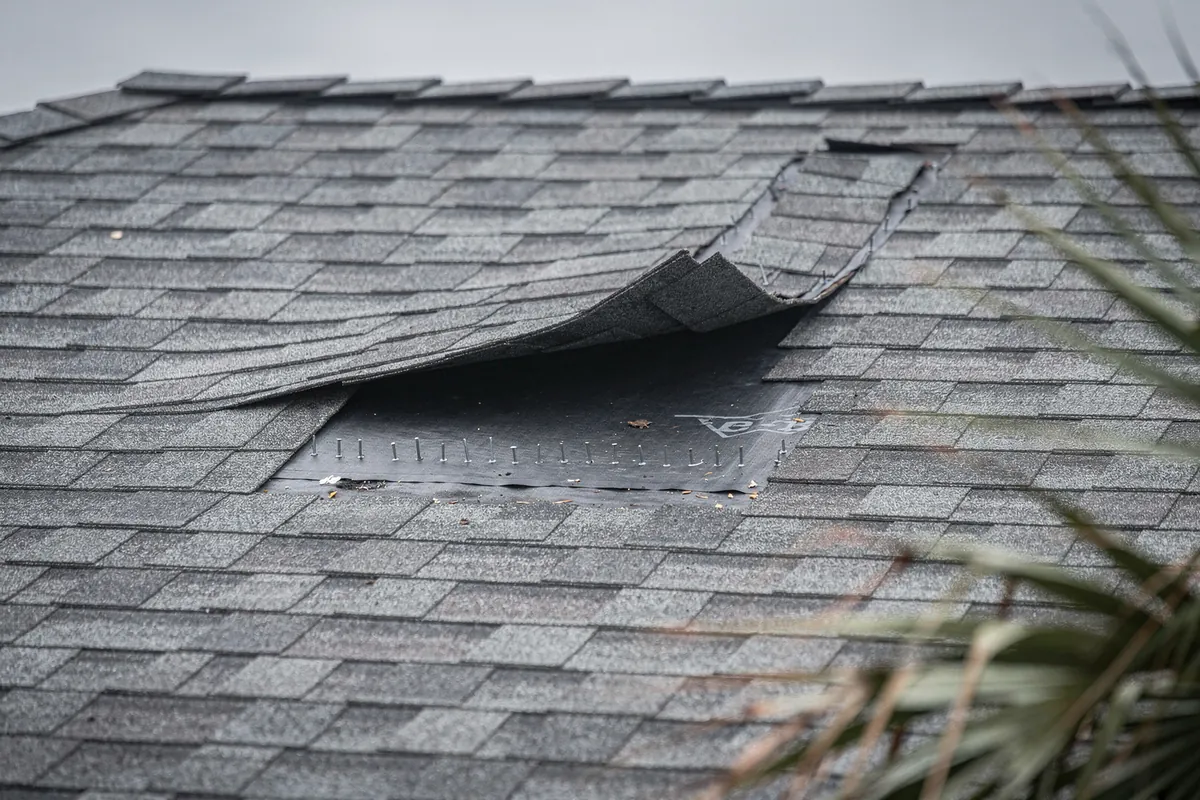
The second is wind. Not just hurricanes, though those set the design case, but the ordinary onshore wind that works at every edge of every roof all year. Coastal building requirements reflect it, and the difference between a roof fastened to coastal standards and one fastened to inland habit shows up in the first serious blow.
The good news, compared with some states
South Carolina regulates this trade. Residential roofing falls under the Residential Builders Commission at the South Carolina Department of Labor, Licensing and Regulation, and the state runs a public licence verification service you can search before you sign anything.
That is a genuinely useful check and a great many people never run it. The contractor page explains what to search for and what the result actually tells you.
Second homes and rentals
A large share of property along the Strand is not lived in by its owner all year, and that changes the roofing problem. Nobody is home to notice a stain. Damage after a storm may go unseen for weeks. Insurance on a rental or a seasonal property behaves differently from insurance on a primary residence.
If that is your situation, mention it when you call. It changes which company is a good fit more than the size of the job does.
Who you reach when you call
The number on this page goes to an independent roofing company covering your town along the Strand. They inspect, they price and they contract with you directly. Nobody from here will ever knock on your door.
Along the Strand and inland
A roof three streets from the ocean and a roof in Conway are in the same county and not in the same weather. Distance from salt water changes what fails first.
What we get asked about
Tell us about the roof
Send the details and they go to one independent local roofing company. If this is a rental or a second home and you are not local, say so and we will route it to somebody used to working without the owner on site.
Rather talk it through? (843) 258-5777